
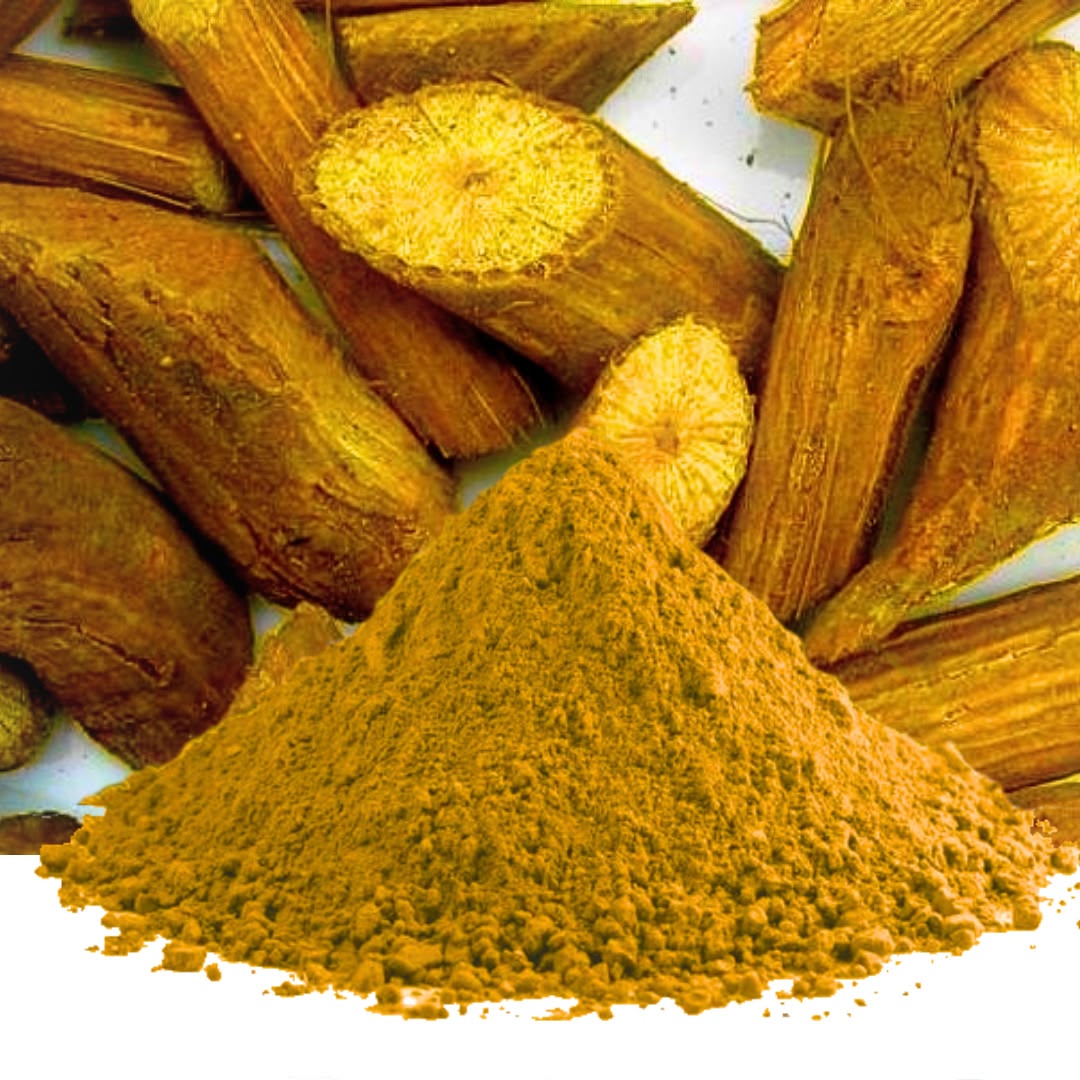
banisteriopsis-caapi-powder
Price range: $80.00 through $175.00
Description
What is Banisteriopsis caapi?
While many people associate the word “Ayahuasca” exclusively with vivid psychedelic experiences, the traditional brew is actually a combination of plants. Banisteriopsis caapi is the foundational vine of that brew.
By itself, the Caapi vine does not contain DMT (the compound responsible for intense visual and psychedelic experiences). Instead, the powder or shredded vine contains a specific group of alkaloids known as beta-carbolines
-
Harmine
-
Harmaline
-
Tetrahydroharmine (THH)
How it Works: The MAO-Inhibitor Mechanism
The primary biological function of these beta-carbolines is that they act as Reversible Inhibitors of Monoamine Oxidase A (RIMAs).
In simple terms, your body naturally produces an enzyme called Monoamine Oxidase (MAO) that breaks down certain compounds in your digestive tract before they can reach your bloodstream or brain. By temporarily inhibiting this enzyme, Banisteriopsis caapi allows other compounds—like the DMT found in companion plants like Psychotria viridis (Chacruna)—to become orally active. Without the Caapi vine, the body would simply digest the DMT with no effect.
Traditional vs. Modern Standalone Uses
When used entirely on its own (without any DMT-containing admixture plants), Banisteriopsis caapi powder has a distinct profile:
-
Traditional Purging: In Indigenous practices, the vine is often used solo as a purgative (la purga) to cleanse the body of physical parasites and negative energy.
-
Somatic and Dream States: On its own, a high dose of the vine can induce deep physical relaxation, a feeling of heaviness or warmth, dizziness, and highly vivid or lucid dreaming, though it generally lacks the bright, kaleidoscopic visual geometry of the combined brew.
-
Emerging Research: Modern neurological studies are exploring Caapi’s alkaloids for their potential anti-inflammatory properties in brain cells and their ability to stimulate neurogenesis (the growth of new neurons) in laboratory settings.
Critical Safety and Dietary Warnings
Because Banisteriopsis caapi is an MAO inhibitor, taking it requires strict caution. It can interact dangerously, and sometimes fatally, with certain medications and foods.
Severe Drug Interactions: You must absolutely avoid Caapi if you are taking SSRIs, SNRIs, or any other form of antidepressants, as well as many cough medicines, stimulants, and blood pressure medications. Combining them can cause Serotonin Syndrome, a life-threatening medical emergency.
The Tyramine Diet: When MAO is inhibited, your body cannot break down tyramine, an amino acid found in aged, fermented, or spoiled foods (such as aged cheeses, cured meats, soy sauce, and red wine). High tyramine levels can trigger a sudden, dangerous spike in blood pressure.
Legal Status & Purchasing Considerations
If you are looking to buy Banisteriopsis caapi powder, the legal framework depends heavily on where you live and how the plant is handled:
-
United States: The Banisteriopsis caapi vine itself is not a controlled substance under federal law. It is generally legal to import, buy, and sell the dried vine or powder for botanical, artistic (like natural dyeing), or educational purposes.
When sourcing botanical specimens, look for reputable vendors who specialize in sustainably harvested, ethnobotanical items, and ensure they provide transparent information about the origin of their plants.
Additional information
| grams | 200 grams, 300 grams, 400 grams, 500 grams |
|---|
Related products
-
- Ayahuasca
Chacruna Leaves
- Price range: $100.00 through $210.00
- Select options This product has multiple variants. The options may be chosen on the product page
-
- Ayahuasca
Mimosa Hostilis Root Bark (MHRB)
- Price range: $130.00 through $1,400.00
- Select options This product has multiple variants. The options may be chosen on the product page

Reviews
There are no reviews yet.