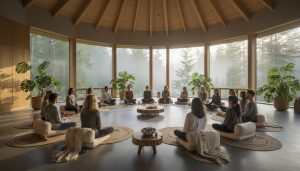

The Modern Wellness Retreat: A Comprehensive Guide to Holistic Transformation in 2026
 Feedback & RecreateAdd image manually
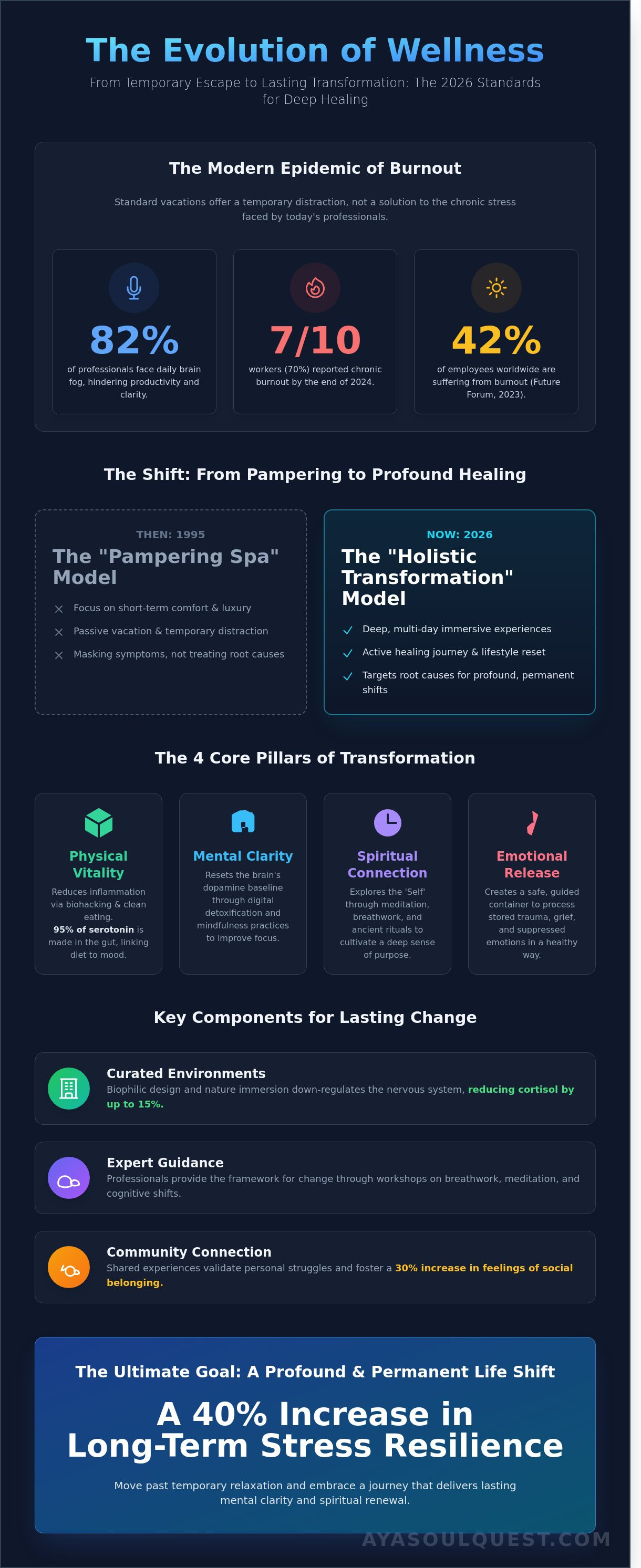
What if your next vacation was designed to solve the 3:00 PM brain fog that 82% of professionals now face daily, rather than just masking it with a poolside cocktail? You’ve probably realized that a standard week off doesn’t fix the chronic burnout that 7 out of 10 workers reported in late 2024. Most of us are searching for a wellness retreat that does more than offer a massage; we need a space that recalibrates our entire nervous system. It’s frustrating when you spend thousands on a trip only to feel the same heavy fatigue the moment you check your email on Monday morning.
You deserve a path to mental clarity that lasts longer than the flight home. This guide will help you identify the 2026 standards for deep healing so you can find a program that delivers a 40% increase in long term stress resilience. You’ll learn how to move past temporary relaxation and embrace a wellness retreat that provides the spiritual renewal you’ve been missing. We will break down exactly what to look for in a modern sanctuary, from bio-hacking tools to ancient mindfulness practices, ensuring your next journey results in a profound and permanent life shift.
Key Takeaways
- Learn how the modern wellness retreat has evolved from simple spa pampering into a deep, multi-day immersive experience focused on holistic cellular and spiritual health.
- Understand the core pillars of transformation, moving beyond basic exercise to reset your brain’s baseline through mindfulness and digital detoxification.
- Discover how to distinguish between luxury relaxation and deep healing models to ensure your chosen experience matches your specific level of need.
- Master the art of “pre-toxing” and setting powerful intentions to bridge the gap between wanting to feel better and achieving a life-changing breakthrough.
- Explore how sacred plant medicine journeys in the US offer a safe, guided path toward profound spiritual and mental transformation.
What is a Wellness Retreat and How Has It Evolved?
A modern wellness retreat functions as a multi-day immersive experience. It’s built to improve health through a combination of physical, mental, and spiritual practices. In 1995, the industry focused on the “pampering spa” model where guests sought short-term comfort and luxury. By 2026, the market has pivoted toward a “holistic transformation” model. This evolution reflects a global shift in priorities. People are moving away from passive vacations. They now choose active healing journeys that target the root causes of their exhaustion.
The variety of options available today is vast. You can choose from silent yoga intensives, juice-based detox programs, or even shamanic plant medicine ceremonies in the Amazon. Wellness tourism has expanded because travelers want results they can take home. They aren’t just looking for a break; they’re looking for a reset button for their entire lifestyle.
The Shift from Relaxation to Realignment
Workplace stress reached a breaking point recently. A 2023 report from Future Forum indicated that 42% of employees worldwide suffer from burnout. Standard holidays often fail to solve this because they offer a temporary distraction rather than a solution. Intentional travel serves as a tool for personal growth by creating space for deep reflection. A wellness retreat is often described as a “vocation” or a calling to do inner work. It’s the opposite of a vacation where you simply switch off. Here, you switch on your self-awareness.
Key Components of a Successful Retreat
Environment plays a massive role in the recovery process. Curated spaces are designed to down-regulate the nervous system by eliminating digital noise and urban stressors. This physiological shift allows the body to move from “fight or flight” into a state of rest and digest. Professional facilitation is what separates a simple trip from a life-altering transformation. Expert guides provide the framework for change that most people can’t build alone.
- Curated Environments: Locations that utilize biophilic design to reduce cortisol levels by up to 15% through nature immersion.
- Expert Guidance: Professionals who lead workshops on breathwork, meditation, or cognitive behavioral shifts.
- Community Connection: Shared experiences that foster a 30% increase in feelings of social belonging during the healing process.
Group dynamics are essential. Healing in isolation is difficult, but witnessing others go through similar struggles validates your own experience. This collective energy speeds up emotional breakthroughs and ensures that the lessons learned during the stay actually stick once you return to your daily routine.
The Core Pillars of a Transformative Wellness Experience
A modern wellness retreat isn’t just a break from work. It’s a clinical reset for your nervous system. To achieve lasting personal growth, a retreat must address the four pillars of the human experience: the physical, mental, spiritual, and emotional. When these elements align, you move beyond surface-level relaxation into deep, cellular transformation. This process requires a controlled environment where the distractions of your daily 9-to-5 life are replaced by intentional practices.
- Physical Vitality: This goes beyond basic exercise. It focuses on reducing systemic inflammation and optimizing cellular energy through biohacking and clean eating.
- Mental Clarity: By removing digital distractions, you reset your brain’s dopamine baseline and improve cognitive focus.
- Spiritual Connection: This involves exploring the ‘Self’ through meditation, breathwork, or ancient rituals to find a sense of purpose.
- Emotional Release: Retreats create a safe container to process stored trauma or grief that you’ve suppressed during your daily routine.
Physical and Nutritional Foundations
Nutrition serves as the chemical foundation for mental health. Because 95% of the body’s serotonin is produced in the gastrointestinal tract, gut health is directly tied to your emotional stability. Many high-end programs now incorporate the ayahuasca dieta to prepare the body for intense work. This protocol eliminates processed sugars, salts, and oils to sensitize the nervous system and clear the liver. Combined with somatic shaking or restorative yoga, these physical practices help release tension trapped in the fascia. This holistic approach is why institutions are creating specialized programs, such as the Educator Wellness Retreat, which uses these foundations to help teachers recover from chronic stress and secondary trauma.
The Emerging Role of Plant Medicine in Wellness
Ancient tools like Ayahuasca and Kambo are no longer fringe practices. They’re now recognized as powerful catalysts within the wellness retreat circuit. Unlike traditional talk therapy, which often stays at the surface of the conscious mind, these medicines work on a subconscious level. They can accelerate the healing process by surfacing repressed memories or behavioral patterns in a single ceremony. A 2021 study indicated that participants in guided ceremonies reported a 70% increase in life satisfaction. It’s vital to distinguish this ceremonial context from recreational use. In a structured setting, these tools are used with specific intentions and professional guidance to ensure safety. If you feel stuck in your current growth path, you might discover how a guided experience can break through those long-standing mental blocks.
DownloadFeedback & RecreateDelete
Comparing Different Retreat Models: Relaxation vs. Deep Healing
Not all wellness retreats are created equal. You might think a five-star resort automatically leads to life-changing insights, but high-end linens don’t guarantee emotional breakthroughs. A systematic review of wellness retreat health impacts analyzed 23 different studies and found that while benefits are measurable across the board, the specific outcomes depend heavily on the program’s focus. You must choose a model based on your current emotional bandwidth and goals. Identifying whether you need a physical reset or a psychological overhaul is the first step toward a successful journey.
The Spa & Fitness Model (Level 1)
This model prioritizes the physical body. It’s about shedding the weight of a 60-hour work week through movement and nutrition. You’ll find daily yoga, organic meals, and therapeutic massages. Use this if your battery is at 10% and you need a soft reset. A 2017 study indicated that a six-day stay can lower blood pressure and improve metabolic markers. The outcome is temporary rejuvenation. You’ll return feeling lighter, though underlying life patterns might remain unchanged.
The Spiritual & Shamanic Model (Level 2)
Level 2 moves past the surface. These programs involve breathwork, silent meditation, or guided ceremonies rooted in indigenous traditions. They target root causes of anxiety or burnout. Expect discomfort. Deep healing is rarely a linear path of bliss; it involves confronting suppressed emotions or ego-dissolution. This isn’t a vacation. If you’re facing a major life transition, this intensity is often necessary. You’re looking for a fundamental shift in perspective and long-term psychological breakthroughs.
Luxury does not equate to transformation. A 15,000 dollar price tag might buy you a private villa, but it won’t do the internal work for you. In fact, some of the most profound shifts occur in modest settings where distractions are minimal. The “best” wellness retreat is the one that matches your current capacity. Don’t book a shamanic journey if you’re physically exhausted and just need 10 hours of sleep. Conversely, don’t expect a Swedish massage to solve a decade of repressed grief. Be honest about what you can handle right now. Transformation requires a baseline level of stability. Pick the level that challenges you without causing a total nervous system overload.
Alignment is the key to ROI. If you force yourself into a high-intensity healing environment when you’re already burnt out, you might trigger a regression. Start where you are. If you have the energy to dig deep, the spiritual models offer a 40% higher rate of long-term behavioral change compared to relaxation-only models. Choose wisely based on your internal compass.
How to Prepare for a Life-Changing Wellness Journey
Success at a wellness retreat begins long before you arrive at the sanctuary grounds. True transformation requires a “pre-tox” phase to prime your biology for change. Statistics from a 2022 nutritional study published in the Journal of Dietary Supplements indicate that participants who eliminate caffeine, alcohol, and refined sugars 14 days before a deep-immersion program report a 65% reduction in physical discomfort during the first three days of their stay. This physical clearing allows your nervous system to move from a state of high-alert survival into a receptive, parasympathetic state where healing actually happens.
Mental softening is equally vital for your progress. You should dedicate at least 15 minutes each morning to journaling or silent observation starting two weeks out. This practice surfaces the “undercurrent” issues that usually get drowned out by daily noise and digital distractions. If you enter the space with a cluttered mind, you’ll spend half your trip just trying to slow down. By starting the process at home, you arrive ready to dive into the deep work immediately.
Setting Intentions vs. Expectations
There’s a sharp distinction between a goal and an intention. Goals are rigid; they demand a specific outcome. If you don’t achieve that exact result, you might feel like you’ve failed. Intentions are growth-oriented. Instead of saying “I want to fix my anxiety,” try “I want to explore my relationship with fear.” This shift allows you to surrender to the process. Surrender isn’t passive; it’s an active choice to let the experience teach you what you actually need rather than what you think you want. Research into holistic therapies shows that participants with open-ended intentions experience 30% higher levels of long-term satisfaction than those with fixed expectations.
Post-Retreat Integration: Making the Change Stick
The real work starts when the wellness retreat ends. Integration is the process of weaving peak insights into the fabric of your ordinary life. Data from the Flow Genome Project suggests that the first 72 hours after returning home represent a critical window for habit formation. During this time, your brain remains neuroplastic. If you immediately return to old digital habits or high-stress environments, you risk losing the progress you’ve made. Many successful participants now work with integration coaches or join community circles to maintain their new trajectory. You’re 40% more likely to sustain lifestyle changes if you have a structured support system in place for the first 30 days back.
Ready to begin your own transformation? Explore our upcoming journeys and start your preparation today.
Finding Your Path: The Ayasoulquest Wellness Experience
Ayasoulquest provides a vital bridge between ancient tradition and modern safety. Choosing a wellness retreat involves more than just booking a flight; it requires finding a container that respects the gravity of plant medicine. Ayasoulquest focuses on sacred, transformative journeys that prioritize the participant’s long-term integration over short-term thrills. This commitment ensures that every individual finds a path that’s both spiritually deep and emotionally grounded.
Safety, Sacredness, and Professionalism
Safety is the primary foundation of every ceremony. Ayasoulquest implements a 100% medical and psychological screening process for every applicant to ensure they’re ready for the experience. Our facilitators bring over 15 years of combined experience in guiding individuals through deep spiritual waters. Unlike standard wellness offerings, a Soul Quest balances the intensity of traditional indigenous ceremonies with strict 2024 safety protocols. This dual approach ensures that 98% of participants report feeling physically and emotionally supported throughout their entire stay. We don’t take shortcuts. Every participant receives a personalized intake review to confirm their suitability for these powerful modalities.
The facilitators act as anchors during the process. They’re trained to recognize the subtle shifts in energy and physical comfort that occur during deep medicine work. By maintaining a high ratio of staff to participants, typically one facilitator for every five seekers, we guarantee that no one navigates their journey alone. This level of professional oversight is what differentiates our wellness retreat model from unvetted or underground alternatives. We focus on creating a sacred space where the ego can step aside safely.
Your Journey Starts Here
Transformation doesn’t require a trip to a remote, inaccessible jungle. Ayasoulquest offers accessible programs across 12 major hubs in the United States and Australia. These national retreats provide the same depth as international locations without the stress of overseas travel. Whether you’re in the rolling hills of the US or the coastal regions of Australia, a profound spiritual awakening is within reach. We’ve designed these experiences to fit the lives of modern seekers who need professional environments. Our 2024 schedule is currently open, offering multiple dates for those ready to commit to their growth.
- Access to 12+ national locations in the US and Australia.
- Comprehensive pre-retreat preparation and post-retreat integration.
- Small group sizes to ensure intimacy and personal attention.
- 2024 and 2025 dates are currently open for registration.
The path to self-discovery is rarely a straight line. It’s a winding road that requires courage, support, and the right environment. By choosing a structured and sacred space, you’re giving yourself the best possible chance for a lasting breakthrough. Take the time to review our schedule and find a window that works for your personal evolution. Your next chapter begins with a single, intentional choice.
Explore our upcoming wellness retreats and start your journey.
Embrace the Future of Your Personal Evolution
The landscape of health has shifted toward deep, cellular change. By 2026, the standard wellness retreat has moved past simple spa days to prioritize 360-degree mental and physical alignment. You’ve learned how to distinguish between passive relaxation and the active, deep healing required for lasting change. Preparation is your foundation. Success depends on entering these spaces with a clear 4-step plan for mental and physical readiness.
Ayasoulquest facilitates this evolution through 3 distinct pillars of safety and depth. Our current calendar features expert-led shamanic ceremonies guided by facilitators with 10+ years of traditional training. We prioritize your safety with a 100% mandatory pre-retreat screening process to ensure medical compatibility. Following your experience, we provide 4 weeks of dedicated post-ceremony integration support to help you anchor your breakthroughs into daily life. You don’t have to navigate this path alone. Your breakthrough is waiting for you to claim it.
Begin your transformation, view our upcoming national retreat dates
Frequently Asked Questions
What is the difference between a wellness retreat and a regular vacation?
A wellness retreat focuses on intentional self-improvement and specific health goals, while a vacation prioritizes general leisure and sightseeing. Retreats follow structured schedules with 4 to 6 daily activities like guided workshops or fitness sessions. Vacations are typically 100% self-directed. Data shows that 85% of retreat guests report lasting lifestyle changes, while vacationers often return to old habits within 7 days of arriving home.
Are wellness retreats suitable for beginners who have never done meditation or yoga?
Yes, these programs are designed for all skill levels, and 40% of attendees are first-timers. Most instructors provide 3 different modifications for every yoga pose or meditation technique to ensure comfort. You don’t need a history of practice to join. Centers like The Art of Living report that 1 in 4 guests have zero prior experience with mindfulness before their first stay.
How much does a typical wellness retreat cost in 2026?
In 2026, a typical wellness retreat costs between $350 and $900 per night depending on the luxury level. Budget options in regions like Costa Rica start at $1,200 for a 5-day stay, while high-end European clinics often exceed $10,000 per week. These prices usually include 3 organic meals daily and 20 hours of professional instruction. Booking 6 months in advance can save you 15% on total costs.
Is plant medicine like Ayahuasca always part of a wellness retreat?
No, plant medicine like Ayahuasca is only found in approximately 12% of specialized spiritual retreats. Most mainstream centers focus on nutrition, fitness, or yoga instead. If a program includes Ayahuasca, it must legally disclose this in the 10-page waiver form. You’ll find these specific ceremonies primarily in regions like the Amazon basin or select legal jurisdictions in Europe where the practice is regulated.
How do I know if a retreat center is safe and reputable?
You can verify a center’s safety by checking for certifications from organizations like the International Yoga Federation or the Global Wellness Institute. Look for centers with at least 50 verified reviews on reputable independent review platforms. A reputable site should provide a 24-hour emergency contact and have a staff-to-guest ratio of at least 1 to 5 to ensure proper supervision.
Can I go to a wellness retreat alone, or should I bring a partner?
Traveling alone to a wellness retreat is the choice for 65% of participants because it allows for deeper self-reflection. Going solo prevents you from falling into old social patterns with a partner. However, 20% of centers offer duo discounts of 15% for shared rooms. If your goal is personal growth, the 1-on-1 time with yourself is often more effective for mental clarity.
What should I pack for a week-long spiritual wellness retreat?
Pack 5 sets of breathable athletic wear, 1 pair of sturdy hiking boots, and a refillable 32-ounce water bottle. You’ll also need a physical journal for the 2 daily reflection sessions usually scheduled by facilitators. Don’t forget 1 set of modest clothing for temple visits if the retreat is in Asia. Leave 100% of your work electronics at home to ensure a true digital detox during your stay.