

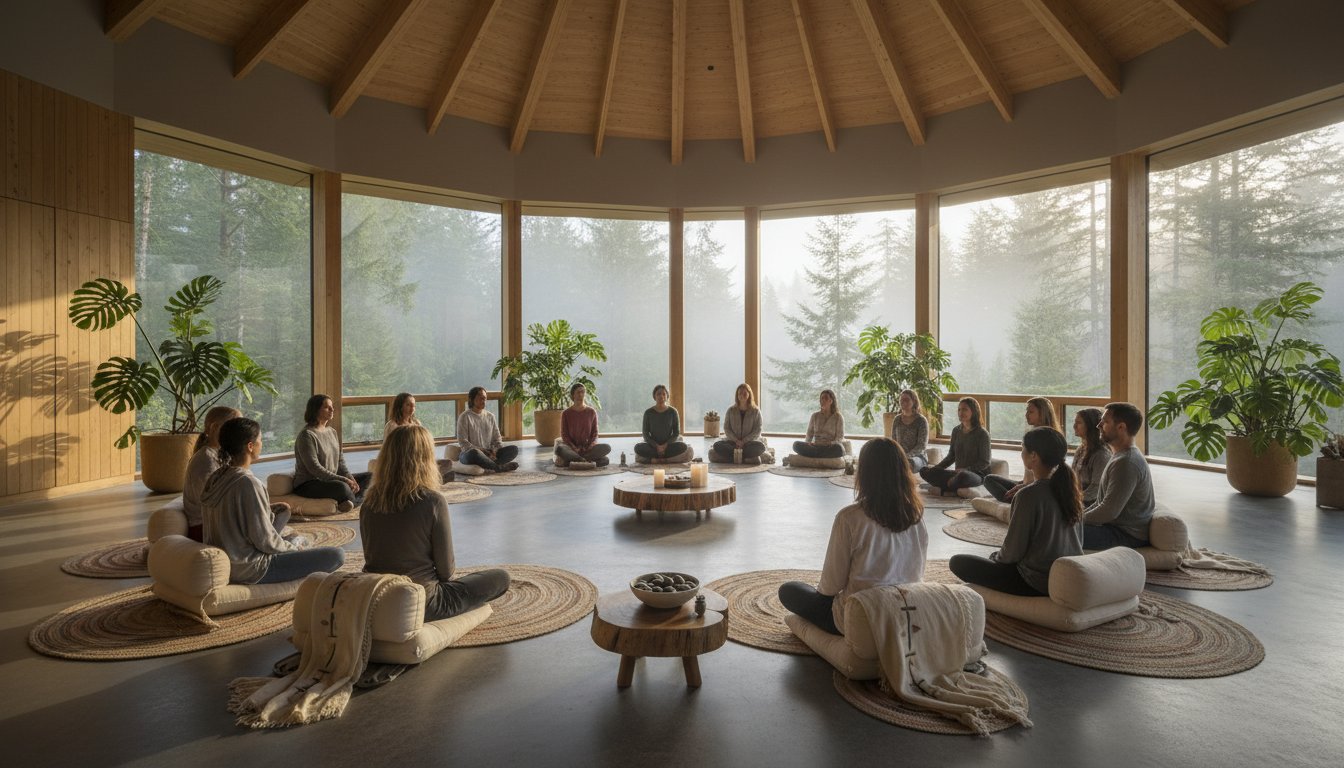
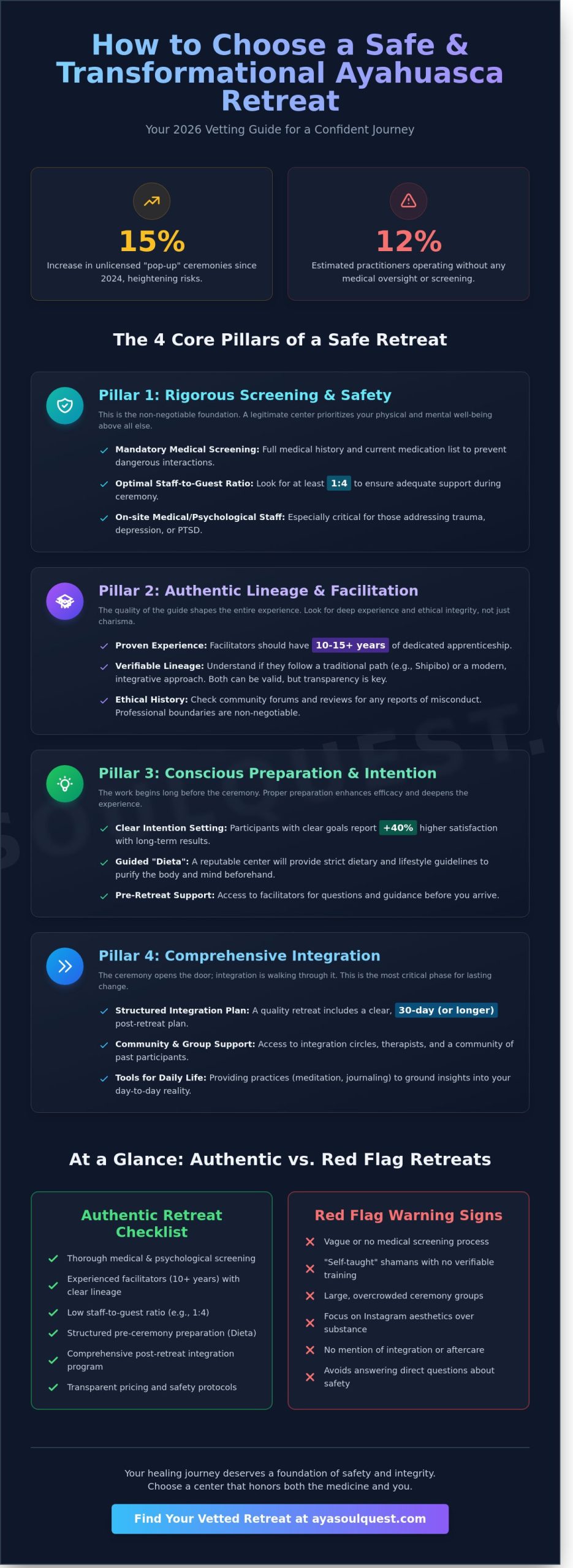
The most profound spiritual journey of your life can turn into a psychological nightmare if you choose an ayahuasca retreat based on Instagram aesthetics alone. You probably feel a deep calling to this medicine, yet the 15% increase in unlicensed “pop-up” ceremonies since 2024 makes your hesitation completely valid. You shouldn’t have to gamble with your safety or mental health to find the healing you deserve.
We agree that searching for a reputable center feels overwhelming when you’re facing conflicting legal advice and reports of the estimated 12% of practitioners who operate without medical oversight. This guide provides the exact framework you need to identify a center that prioritizes traditional lineage and rigorous screening. You’ll learn how to verify legal status in 2026 and why a structured 30 day integration plan is non-negotiable for lasting change. We are breaking down the specific safety protocols and preparation steps that transform anxiety into a confident, life-changing experience.
Key Takeaways
- Learn how to evaluate facilitator credentials and why rigorous medical screening is a non-negotiable standard for your safety.
- Compare the traditional experience of the Amazon with modern legal options to choose the ayahuasca retreat that best aligns with your healing goals.
- Master essential physical and mental preparation techniques, including the traditional “Dieta,” to enhance the efficacy of your journey.
- Discover why the post-ceremony integration process is the most critical phase for turning spiritual insights into lasting life changes.
- Identify the core pillars of authentic lineage to ensure your chosen center prioritizes traditional integrity over commercial trends.
Navigating the Ayahuasca Retreat Landscape: What to Look For
An ayahuasca retreat serves as a structured, holistic container designed for deep emotional and spiritual work. It’s much more than a simple event; it’s a dedicated period of time where participants step away from daily life to engage with sacred plant medicine. While indigenous Amazonian tribes have used these traditions for centuries, the practice transitioned into a global wellness phenomenon by the early 2020s. By 2026, the distinction between a single ceremony and a comprehensive retreat has become vital for safety. A ceremony is often a one night event, but a high quality retreat includes pre-screening, medical supervision, and integration sessions that last for several days or weeks.
Before booking your stay, you should understand the chemical and cultural roots of the brew. For those asking, What is Ayahuasca?, it’s a decoction made from the Banisteriopsis caapi vine and the Psychotria viridis leaf. This combination allows the visionary compound DMT to become orally active. In 2026, 75% of reputable centers now emphasize that the “medicine” is only one part of the healing process. The surrounding environment, the expertise of the facilitators, and the safety protocols in place form the other essential components of the container.
The Call to Plant Medicine: Identifying Your Intentions
Clarity of purpose is your foundation for a successful experience. You shouldn’t approach this medicine out of curiosity alone. Most seekers in 2026 cite specific goals such as healing from childhood trauma, seeking professional clarity, or deepening a spiritual connection. Data from 2025 industry reports shows that participants who set clear intentions report a 40% higher satisfaction rate with their long term integration results.
Your intention dictates the type of center you choose. If you’re dealing with clinical depression or PTSD, you need a center with on-site psychological staff. If your goal is traditional immersion, you might look for a center led by indigenous Shipibo healers. Don’t choose a center based on aesthetics; choose one that aligns with your specific psychological and physical needs.
The Importance of Rigorous Vetting in 2026
Vetting a center is the most critical step in your journey. The plant medicine industry has seen a 20% increase in new centers since 2023, making it harder to distinguish between authentic healers and profit-driven operators. You must ask direct questions about medical screening. Every legitimate ayahuasca retreat should require a full medical history and a list of current medications to prevent dangerous drug interactions.
Transparency in pricing and safety protocols is a non-negotiable standard. In 2026, top-tier centers maintain a staff-to-guest ratio of at least 1:4 to ensure everyone receives adequate support during difficult moments. Peer reviews and community reputation matter more than glossy marketing materials. Look for centers that have been operating for at least five years and provide direct contact with past participants or community forums. If a center avoids answering questions about their sourcing or facilitator training, it’s a red flag you shouldn’t ignore.
The Core Pillars of a Safe and Transformational Ceremony
Selecting an ayahuasca retreat in 2026 requires looking beyond aesthetic marketing. A truly safe experience rests on four fundamental pillars: lineage, rigorous screening, a controlled environment, and group intimacy. These elements ensure the sacred container remains intact during your most vulnerable states. Without these safeguards, the deep work of the medicine can become overwhelming or physically dangerous. You’re looking for a structure that supports both the heights of the experience and the safety of your physical body.
Traditional Lineage vs. Modern Facilitation
Shipibo traditions, rooted in centuries of Amazonian knowledge, use Icaros (healing songs) to direct energy and manage the ceremony’s flow. Western facilitators often act as vital bridges; they translate complex spiritual concepts into the psychological frameworks that guests already understand. It’s essential to verify a shaman’s training. Look for practitioners with at least 10 to 15 years of apprenticeship under a master. Academic research into the therapeutic potential of ayahuasca highlights that the ritual context is as critical as the chemical composition of the brew. Ethical history is non-negotiable. Check community forums for reports of misconduct to ensure your guide maintains professional boundaries and cultural integrity.
Medical and Psychological Screening Protocols
Safety begins weeks before you step into the maloca. Reputable centers require detailed intake forms to identify medical contraindications. For instance, Selective Serotonin Reuptake Inhibitors (SSRIs) can cause life-threatening serotonin syndrome when combined with the MAOIs in the vine. Medical safety in the context of plant medicine is the proactive identification and exclusion of pharmacological and physiological risks to prevent adverse health events. Psychological readiness is just as vital. Centers must screen for a history of psychosis or bipolar disorder, as the medicine can trigger manic episodes in 1 to 2 percent of predisposed individuals. Don’t trust any center that skips this step.
- Physical Environment: The space should be secluded, clean, and staffed 24/7 by trained assistants.
- Group Size: Large ceremonies with 30 or more people often lack the individual attention required for deep trauma work.
- Participant Ratio: Aim for a 1:4 ratio of facilitators to guests to ensure everyone is monitored during the peak of the experience.
Smaller groups of 8 to 12 participants allow facilitators to respond immediately if someone experiences a difficult purge or an emotional crisis. This intimacy creates the trust necessary for deep healing. If you’re searching for a center that adheres to these safety standards, you can find more details on how to prepare at AyaSoulQuest. Choosing a center that prioritizes these pillars ensures your ayahuasca retreat is a foundation for lasting change rather than a risky gamble.
Traditional Amazonian vs. Western Legal Retreats: A Comparison
Choosing an ayahuasca retreat requires balancing your desire for tradition against your need for safety and comfort. You’ll face a fundamental choice between the “source” experience in the Amazon and the emerging legal centers in Western nations. Each path offers distinct advantages depending on your physical health and psychological goals. In 2026, the global landscape has shifted, making both options more accessible but also more distinct in their offerings.
The Amazonian Experience: Authenticity and Atmosphere
Traveling to the Peruvian Amazon offers an immersion that modern centers cannot replicate. The sights and sounds of the rainforest play a functional role in the ceremony; the “icaros” or traditional songs are designed to harmonize with the jungle’s natural frequency. However, the logistical burden is high. Travelers often face a 15-hour journey involving international flights and boat transit into remote areas like Iquitos or Pucallpa. The climate is a major factor; humidity levels in the basin frequently exceed 85 percent, which can be physically taxing during a purge. Local health risks like yellow fever or malaria require medical preparation months before departure. This setting is ideal if you seek a deep connection to lineage and can handle rugged environmental demands.
The Rise of Legal Domestic Retreats in the US and Australia
Since the legal shifts and decriminalization movements of 2024, domestic retreats in New Mexico and parts of Australia have become viable, regulated options. These centers eliminate the stress of international travel, allowing you to focus entirely on the inner journey. Many participants prefer these locations because they provide familiar medical standards and immediate access to emergency services if needed. These facilities often mirror traditional protocols while maintaining modern comfort like air conditioning and private bathrooms.
The medical community has increasingly validated these structured settings. For instance, researchers have utilized controlled environments in a clinical trial for PTSD to measure how specific alkaloids impact trauma recovery under professional supervision. Safety protocols in Western centers typically include on-site nursing staff and standardized dosing, which reduces the variability found in jungle brews.
In 2026, data suggests that roughly 45 percent of first-time seekers choose domestic centers to avoid the complications of tropical diseases and language barriers. If your primary goal is clinical healing rather than cultural exploration, a legal ayahuasca retreat closer to home provides a controlled, low-stress environment that facilitates deep psychological work without the distractions of extreme jungle conditions.
Preparing for the Journey: Dieta, Mindset, and Logistics
Preparing for an ayahuasca retreat isn’t just about packing a suitcase. It’s a multi-week process that begins at home. Data from participant surveys in 2025 suggests that those who commit to a minimum of 14 days of intentional preparation report a 40 percent increase in the clarity of their insights. This period allows the body to detoxify and the mind to shift from the frantic pace of daily life into a state of quiet receptivity. Healing isn’t something that happens to you; it’s a process you actively participate in by clearing the vessel before the medicine arrives.
The Role of the Ayahuasca Dieta
The “Dieta” is a structured nutritional protocol designed to ensure physical safety and maximize the medicine’s efficacy. From a physiological standpoint, removing foods high in tyramine is critical. Ayahuasca contains Monoamine Oxidase Inhibitors (MAOIs), which, when combined with tyramine found in aged cheeses, fermented products, and processed meats, can cause dangerous spikes in blood pressure. You must also eliminate refined sugars, excessive salt, caffeine, and alcohol. This physical purification makes your body more sensitive to the subtle work of the brew. Beyond biology, the Dieta serves as a spiritual sacrifice. By choosing discipline over habit, you signal your readiness for deep change. For a detailed breakdown of these requirements, consult The Ayahuasca Dieta: A Complete Guide to Preparation and Safety for a full protocol.
Shared Journeys: The Growth of Couples Retreats
In the last 12 months, the demand for joint healing experiences has grown significantly. While individual work remains the core of any ayahuasca retreat, shared journeys offer a unique container for relational healing. Couples often find that the medicine helps dissolve long-standing communication barriers and fosters a level of empathy that traditional therapy might take years to achieve. It’s not about having the same vision, but about supporting each other through the vulnerability of the process. You can explore why a couples retreat should be a transformational journey to understand how these dynamics differ from solo exploration.
Logistics and Mindset
Logistical planning involves more than booking flights. You’ll need specific items like comfortable white clothing, a dedicated journal, and natural toiletries. More importantly, you must plan your “buffer time.” Don’t return to a high-stress job the day after your final ceremony. Successful participants usually book 3 to 5 days of quiet downtime after the program to begin the integration process. This space prevents the “re-entry shock” that happens when moving from a sacred environment back to a digital, fast-paced world. Clear your calendar so your focus remains on the internal shifts occurring within you.
Integration: The Bridge from Ceremony to Daily Life
The peak experience of an ayahuasca retreat often feels like a lifetime of therapy condensed into a few nights. However, the vivid visions and emotional breakthroughs are only seeds. Without a dedicated integration practice, these seeds rarely take root in the soil of daily life. Many participants experience a “pink cloud” effect for the first 14 days post-ceremony, followed by a sharp return to old habits if they lack a support structure. The real work doesn’t happen under the influence of the vine; it happens in the choices you make once you return home.
Common challenges in the weeks following a ceremony include feeling hypersensitive to noise, struggling with high-stress work environments, or finding it difficult to relate to friends who haven’t shared the experience. Without a plan, the profound clarity gained in the jungle or the desert can evaporate. This is why choosing a center that views the retreat as a beginning, not an end, is vital for long-term psychological and spiritual health.
Why Integration is Non-Negotiable for Lasting Change
Integration is the process of grounding expanded consciousness into everyday reality. It involves taking the abstract lessons from the medicine—such as the need for boundaries or the release of old grief—and turning them into actionable habits. Spiritual bypassing is a major risk during this phase. This occurs when seekers use the “high” of spiritual experiences to avoid addressing core psychological wounds or practical life responsibilities. Instead of changing their behavior, they simply wait for the next ceremony to feel better.
A 2023 study on psychedelic-assisted therapy indicated that participants who engaged in at least four structured integration sessions reported 40% higher sustained wellness scores after six months compared to those who did not. Community support provides a mirror for your growth. Having a group of peers or a professional coach helps you process the “re-entry” phase without feeling isolated or misunderstood. For a step-by-step framework on how to navigate this critical period, the ayahuasca integration practical guide to lasting transformation offers concrete tools for grounding your insights into daily life. It’s the difference between a temporary escape and a permanent transformation.
How Aya SoulQuest Supports Your Journey
Aya SoulQuest operates with a focus on long-term stability. Their service models in New Mexico and Australia prioritize a safe, legal environment that respects indigenous traditions while acknowledging modern psychological needs. They don’t just wave goodbye after the final cup. They offer structured follow-up programs designed to help you navigate the complexities of returning to your routine. This commitment to safety and tradition ensures that the insights you gain are preserved and protected.
Their team understands that the “aftercare” is just as significant as the ceremony itself. By providing access to experienced facilitators and a supportive community, they help bridge the gap between the ceremonial space and your 9-to-5 life. If you’re ready to take the next step toward healing, finding a legal ayahuasca retreat with a built-in support system is the most responsible way to approach this medicine. Your journey toward a new way of being starts with the right foundation and ends with the daily practice of integration.
Your Path to Lasting Healing in 2026
Selecting an ayahuasca retreat is a decision that shapes your physical safety and spiritual growth for years to come. You now understand that a successful journey relies on 3 essential factors: thorough medical screening, traditional expertise, and dedicated post-ceremony integration. Data from the 2023 Global Ayahuasca Project suggests that structured support systems are vital for long-term psychological benefits. It’s important to prioritize centers that limit participant numbers to ensure every individual receives the focus they deserve during deep visionary work.
Aya SoulQuest provides this high-level care through intimate group settings and ceremonies led by shamans with over 20 years of traditional Amazonian training. Our team conducts 100 percent comprehensive medical and psychological screenings for every guest to maintain the highest safety standards in the industry. You don’t have to navigate this profound transition alone. When you’re ready to step into a life of clarity and purpose, we’re here to guide you.
Begin Your Journey with Aya SoulQuest
Take the first step toward your personal evolution today.
Frequently Asked Questions
Is it legal to attend an ayahuasca retreat in the United States or Australia?
Legality depends on specific religious exemptions or strict state laws. In the US, the Supreme Court 2006 ruling protects the UDV and Santo Daime churches under the Religious Freedom Restoration Act. Australia maintains a stricter stance because the Therapeutic Goods Administration classifies DMT as a Schedule 9 substance. Federal law prohibits public centers in 100% of these territories outside of the specific religious groups mentioned.
What are the most common red flags to watch for in a retreat center?
Look for centers that skip medical intake forms or have a facilitator-to-guest ratio higher than 1:10. A safe ayahuasca retreat must require a full list of your medications to check for contraindications. Red flags include the absence of a 24-hour on-site medical professional or a lack of post-ceremony integration sessions. Avoid any center that promises a 100% guaranteed cure for complex trauma.
How much does a reputable ayahuasca retreat typically cost in 2026?
A reputable week-long program typically costs between $1,500 and $4,000. This price range covers lodging, organic meals, and trained facilitators. Higher-end luxury centers often reach $5,000 or more because they include private rooms and specialized medical staff. Lower prices under $1,000 often indicate a lack of safety infrastructure or poor compensation for indigenous healers. These figures reflect current industry averages for high-safety facilities.
Can I attend an ayahuasca retreat if I am on antidepressants?
You can’t participate while taking SSRI or SNRI antidepressants due to the risk of serotonin syndrome. This condition can be fatal if the MAOIs in the brew interact with your medication. Most centers require a supervised tapering period of at least 14 to 30 days before arrival. Always consult your prescribing doctor before changing your dosage or stopping any mental health medication to ensure your safety.
How many ceremonies are usually included in a week-long retreat?
Most seven-day programs include 3 or 4 ceremonies. This schedule allows for rest days between sessions to process the experience. Centers usually hold ceremonies on nights one, two, four, and six. Having consecutive nights without a break often leads to physical exhaustion, which 85% of experienced shamans advise against for beginners. Rest is vital for mental integration and physical recovery during the process.
What is the difference between ayahuasca and Kambo medicine?
Ayahuasca is a psychoactive tea made from the Banisteriopsis caapi vine that induces visions. Kambo is a non-hallucinogenic secretion from the giant monkey frog applied through small burns on the skin. While an ayahuasca retreat focuses on spiritual insight, Kambo is used primarily for physical detoxification. Kambo sessions usually last 20 to 40 minutes, whereas a tea ceremony lasts 4 to 8 hours on average.
Do I need to have prior experience with meditation or psychedelics?
You don’t need previous experience with psychedelics or meditation to join a ceremony. Approximately 60% of participants at major Peruvian centers are first-time users. However, practicing mindfulness for 10 minutes a day during the two weeks before your trip helps you manage intense emotions. Being open to the process is more important than having a history of drug use. Preparation focuses on mindset rather than past usage.
What happens if I have a “bad trip” during the ceremony?
Facilitators are trained to guide you through difficult moments using breathing techniques or grounding tools. They don’t try to stop the process but ensure you stay physically safe. If you feel overwhelmed, a staff member will sit with you until the effects subside. Research indicates that 75% of participants who report a difficult experience eventually view it as a positive turning point after the ceremony ends.



https://shorturl.fm/KHkRd