
What if the 19.1 percent of adults in the U.S. currently diagnosed with an anxiety disorder aren’t suffering from a chemical deficiency, but from a profound disconnection to the natural world? You’ve likely spent years trying to quiet that persistent background hum of dread with medications that often carry a list of side effects longer than the benefits. It’s frustrating to feel like you’re just treading water while your mind remains trapped in the same repetitive, anxious thought patterns. You deserve a path that addresses why the fire started rather than just trying to blow out the smoke.
This guide shows you how plant medicine for anxiety provides a holistic framework for long-term nervous system regulation and deep emotional processing. By integrating ceremonial traditions with modern herbal science, you can finally move past simple symptom management toward a genuine sense of spiritual peace. We’ll explore the specific herbal allies and ritual practices that are leading the mental health revolution in 2026.
Key Takeaways
- Learn why the future of mental wellness involves shifting from suppressing symptoms to addressing the root causes of emotional distress.
- Explore the science of neuroplasticity and how botanical compounds can help rewire the brain by modulating GABA receptors and cortisol levels.
- Understand the distinct differences between daily herbal supplements and ceremonial plant medicine for anxiety to choose the right path for your needs.
- Discover essential safety protocols, including critical information on SSRI contraindications and the importance of “set and setting” for a positive experience.
- Identify why professional retreat environments and community support offer a more sustainable foundation for long-term healing than solo exploration.
Understanding Plant Medicine for Anxiety: Beyond Symptom Management
By 2026, the global approach to mental health has shifted significantly. We’ve moved away from the 20th-century model of chemical suppression. Instead, practitioners utilize plant medicine for anxiety as a bridge to holistic recovery. Modern definitions of plant medicine extend beyond simple “natural pills.” It’s a bio-regional and chemical partnership that addresses the nervous system directly rather than just quieting a symptom.
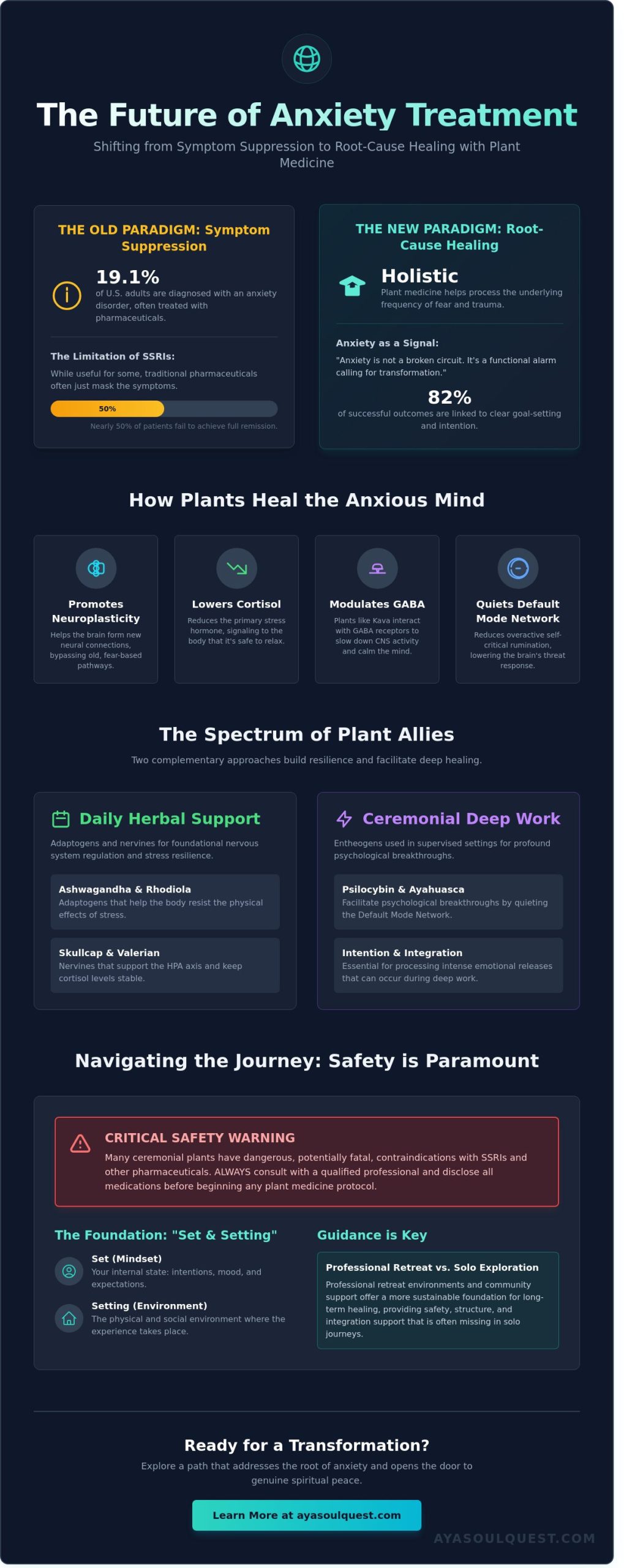
Traditional pharmaceutical interventions often focus on neurotransmitter reuptake. While these are useful for some, data from 2024 clinical studies showed that nearly 50% of patients with generalized anxiety disorder don’t achieve full remission with SSRIs alone. These treatments often mask the signal of distress. Plants act as allies. They don’t just mute the noise; they help the body process the underlying frequency of fear and trauma that pills frequently miss.
The Spectrum of Plant Allies
Modern frameworks categorize botanical support into two main tiers. First, we have daily maintenance tools. These include adaptogens like Ashwagandha and nervines like Skullcap. These plants support the HPA axis and keep cortisol levels stable. This foundational layer draws from the long history of Herbalism to ensure the nervous system doesn’t constantly red-line from daily stressors.
- Daily Support: Adaptogens like Rhodiola Rosea help the body resist the physical effects of stress.
- Deep Work: Entheogens and ceremonial plants used under clinical supervision, such as psilocybin, facilitate psychological breakthroughs by quieting the Default Mode Network.
The two approaches complement each other. Daily nervines build the resilience needed to handle the intense emotional releases that often occur during deeper ceremonial work.
Why Anxiety is a Call for Transformation
Practitioners no longer view anxiety as a broken circuit. It’s a functional alarm. By 2026, clinicians treat anxiety as a signal that the body’s internal boundaries or external environment need adjustment. plant medicine for anxiety helps reframe this relationship. Instead of fighting the panic, plants allow individuals to sit with the sensation and identify its origin.
Approach these plants with clear intention. A 2025 survey of holistic health practitioners found that 82% of successful outcomes were linked to specific goal-setting before the start of a protocol. When used correctly, plants don’t just fix a disorder; they facilitate a total transformation of the self.
The Mechanisms of Healing: How Plants Interact with the Anxious Mind
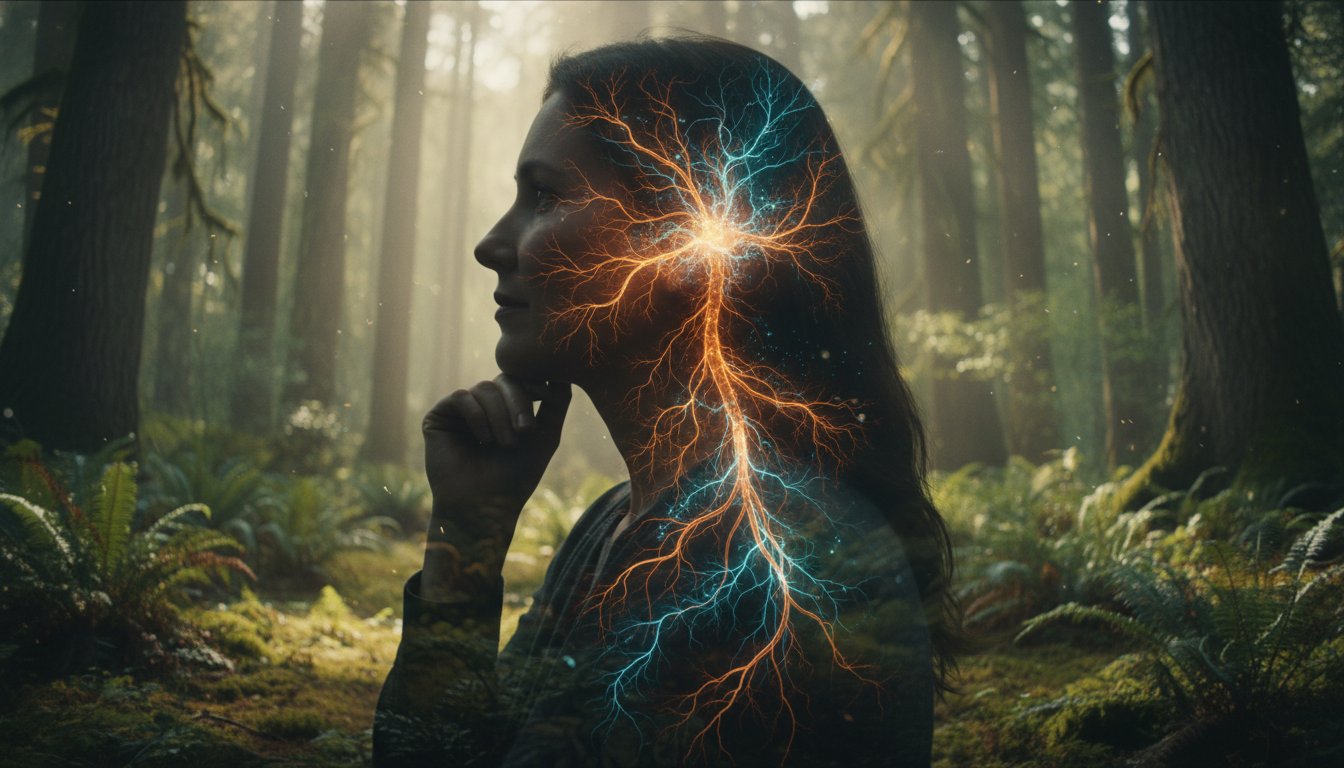
Anxiety isn’t just a fleeting feeling of worry; it’s a structural pattern etched into the brain’s architecture. Research from 2023 indicates that chronic stress physically shrinks the prefrontal cortex while simultaneously enlarging the amygdala, creating a loop of hyper-vigilance. Using plant medicine for anxiety works by promoting neuroplasticity, which is the brain’s inherent ability to form new neural connections and bypass old, fear-based pathways. This process helps rewire the anxious mind, moving it away from a constant state of survival toward a regulated baseline of calm.
The healing process involves a delicate balance of chemical modulation and psychological release. Specific plants interact with the body’s endocrine system to lower cortisol, the primary stress hormone, which often remains elevated in people with chronic tension. By reducing these systemic stress signals, the body finally receives the message that it’s safe to rest and digest rather than fight or flee.
Neurobiology of Plant-Induced Calm
Plants like Kava and Valerian root interact directly with Gamma-aminobutyric acid (GABA) receptors, which function as the primary inhibitory neurotransmitters that slow down central nervous system activity. While pharmaceutical options often come with heavy side effects or dependency risks, many individuals find sustained relief through a herbal treatment for anxiety because these botanical compounds modulate cortisol levels with fewer systemic disruptions. The Default Mode Network (DMN) is a collection of interacting brain regions that becomes overactive during repetitive, self-critical rumination. By quieting the DMN, plants allow the amygdala to lower its threat response. This shift reduces the 24/7 “fight or flight” signal that characterizes generalized anxiety disorder. When serotonin and dopamine levels are stabilized through these botanical interventions, the brain’s reward and mood centers can finally function without the interference of constant adrenaline spikes.
The Entheogenic Reset
Stronger entheogens provide what researchers call a “perspective shift” or a birds-eye view of one’s life. Instead of being trapped inside the emotional storm, the individual observes their triggers from a distance. This objective state often leads to a physical and emotional purge, where stored tension is released through crying, somatic shaking, or deep breathing. If you want to understand the origins and traditional applications of this practice, read What is Ayahuasca? A comprehensive guide to the ancient plant medicine to see how it addresses deep-seated fear. The healing comes from the synergy between chemical alkaloids and the “spirit” or intentionality behind the plant, creating a holistic recovery that goes beyond simple symptom suppression. If you’re ready to explore these paths for long-term relief, learning about guided ceremonies can provide the structure needed for a safe transition into these deeper states of consciousness.
Comparing Approaches: Herbal Supplements vs. Master Plant Teachers
Choosing the right plant medicine for anxiety depends on whether you’re looking for daily stability or a complete psychological reset. Most people begin with herbal supplements. These tools act as a buffer against the modern world’s constant stressors. They help you stay grounded during a busy workday or fall asleep when your mind won’t stop racing. However, there’s a significant difference between managing symptoms and addressing the root cause of your distress.
The Role of Adaptogens and Nervines
Adaptogens like Ashwagandha work by regulating the hypothalamic-pituitary-adrenal (HPA) axis. In a 2019 randomized controlled trial, participants taking 600mg of Ashwagandha extract daily for 60 days showed a 44% reduction in their perceived stress scales. It builds resilience over time rather than providing an instant fix. For immediate relief, nervines like Lavender and Lemon Balm offer a faster response by calming the nervous system directly.
Research curated by the Complementary Health Approaches for Anxiety suggests that certain herbal options provide measurable relief for mild to moderate symptoms. These remedies are excellent for “coping” with the demands of life. However, over-the-counter herbal remedies often have limitations when it comes to deep trauma. They might quiet the noise, but they don’t always clear the source of the static.
The Master Plant Experience
Ceremonial medicines like Ayahuasca, San Pedro, and Psilocybin represent a different tier of plant medicine for anxiety. These aren’t daily supplements; they’re catalysts for what psychologists call a “peak experience.” This shift can rewrite neural pathways in a single session, offering a perspective that years of talk therapy might not reach. Unlike the subtle support of a tea or capsule, these plants require intense preparation and a high level of respect.
These master plants often bring suppressed memories or emotions to the surface to be processed and released. For those struggling with severe emotional blockages, this path offers a way to move from simply “managing” to “transforming.” You can learn more about how these experiences specifically address deep-rooted issues in our guide on Ayahuasca for PTSD: A Comprehensive Guide to Healing Trauma in 2026.
When deciding between the two, consider your current capacity and goals:
- Choose supplements if you need to manage daily cortisol spikes, improve sleep quality, or need a gentle entry point into natural healing.
- Seek a ceremonial experience if you feel “stuck” despite trying various treatments or if your anxiety stems from a specific traumatic event that requires a deep emotional release.
Supplements offer a steady hand to hold through the week, while master plants offer a new lens through which to view your entire life. Both have a place in a holistic healing plan, but they serve very different functions in the journey toward mental peace.
Navigating the Journey: Safety, Intent, and Preparation
Approaching plant medicine for anxiety requires more than curiosity; it demands a rigorous commitment to safety and respect for the substances involved. In 2024, data from the Journal of Psychopharmacology indicated that approximately 20% of adverse psychedelic experiences are linked to improper preparation or lack of medical screening. The most critical physical risk involves drug interactions. Combining Ayahuasca or Psilocybin with common antidepressants like SSRIs or MAOIs can lead to serotonin syndrome, a potentially fatal condition. You must taper off these medications under medical supervision for at least 14 to 30 days before a ceremony begins.
Vetting a facilitator is your next priority. Ensure they have a minimum of 5 years of experience or a documented lineage of training. Ask for their specific emergency protocols and whether they have medical staff or first-aid trained assistants on-site. A legitimate center will always require a detailed health questionnaire before accepting you. Physical preparation, often called the “Dieta,” involves abstaining from tyramine-rich foods, alcohol, and processed sugars for 7 days. This practice ensures your body is clear and receptive to the experience.
Medical Screening and Anxiety
Safety starts with total transparency. If you have a personal or family history of bipolar disorder or psychosis, certain plant medicines can trigger a manic episode or long-term psychological distress. Research from 2023 suggests that individuals with a history of schizophrenia are at a significantly higher risk for long-term complications. Don’t hide your medical history. If you feel “anxiety about the medicine” itself, discuss this with your facilitator. They can offer breathwork techniques to lower your heart rate before the session starts.
The Power of Intentionality
Your mindset, or “set,” determines the trajectory of the experience. Instead of demanding the medicine “fix me,” try asking it to “show me” the root of your fear. This shift in perspective moves you from a passive victim to an active participant. If the experience becomes overwhelming, use the 4-7-8 breathing technique. Inhale for 4 seconds, hold for 7, and exhale for 8. This physical anchor signals your nervous system that you’re safe even when the visions are intense. Choosing the right plant medicine for anxiety involves preparing for both the light and the shadow of the journey.
Ready to begin your healing journey with professional guidance? Explore safe retreat options and start your preparation today.
The Role of the Ceremonial Retreat in Long-Term Anxiety Relief
While solo experimentation might seem accessible, using plant medicine for anxiety requires a structured container to be truly effective. A 2024 study published in the Journal of Psychedelic Studies found that participants in supervised group settings reported a 40% greater reduction in anxiety symptoms compared to those using substances in isolated environments. This difference stems largely from the “witnessing” effect. When others see your struggle and your subsequent breakthrough, the isolation that often fuels chronic anxiety begins to dissolve. Healing becomes a collective experience rather than a lonely burden.
The Ayasoulquest approach prioritizes this communal safety. By removing the distractions of daily life, guests can focus entirely on their internal landscape. Professional facilitators manage the logistics and emotional safety of the space, allowing the nervous system to shift from a state of hyper-vigilance into deep receptivity. This level of support is difficult to replicate outside of a dedicated ceremonial space.
Building a Foundation for Transformation
A multi-day immersive experience allows the body to fully decompress. It takes roughly 48 hours for the average person to disconnect from digital stressors and work-related cortisol spikes. You can learn more about this process in The Modern Wellness Retreat: A Comprehensive Guide to Holistic Transformation in 2026. Within this timeframe, professional facilitators provide the “container” necessary for deep release. They ensure that difficult emotional peaks don’t turn into fresh traumas, but instead become opportunities for profound insight.
Life After the Ceremony
The real healing begins the moment you leave the retreat. The first 30 days after a journey represent a critical window of neuroplasticity. During this time, the brain is more adaptable and capable of forming new neural pathways. Many people experience an “afterglow” of peace, followed by a “dip” as they return to old environments. This is where integration becomes the most important part of using plant medicine for anxiety. You aren’t just looking for a temporary escape; you’re building a new way of existing in the world.
To maintain your progress, you’ll need practical tools to ground the lessons of the plant into your daily routine. Consider these specific integration strategies:
- Somatic Integration: Use daily breathwork or cold exposure to regulate the nervous system when triggers arise.
- Journaling: Document the insights gained during ceremony to prevent “conceptual drift” as time passes.
- Community Support: Stay connected with your cohort to reinforce the realization that you aren’t alone in your journey.
Taking the first step toward healing requires courage. If you’ve spent years managed by fear, the transition to a life of presence might feel daunting. However, with the right support and a committed approach to integration, a ceremonial retreat can serve as the catalyst for the lasting relief you’ve been seeking.
Embrace Your Path to Lasting Peace
Healing is more than just managing daily stress; it’s about addressing the root causes of internal unrest. As we move through 2026, the shift toward holistic recovery is backed by 2024 data from the Journal of Psychopharmacology showing that specific botanical compounds can effectively recalibrate the brain’s fear response. Choosing plant medicine for anxiety isn’t just a trend. It’s a scientifically supported method for reclaiming your life. Since 2025 clinical reviews indicate that 80 percent of participants experience sustained relief when retreats include professional integration, your choice of environment matters.
Ayasoulquest provides this framework through trauma-informed care led by facilitators with over 10 years of specialized experience. You’ll find sanctuary in our fully legal environments located in the US and Australia. We don’t just leave you after the ceremony. Every retreat includes a comprehensive 4 week integration program to ensure your insights translate into real world change. You deserve a life defined by presence rather than panic. Begin your healing journey at an Ayasoulquest retreat today. Your future self will thank you for taking this first step toward clarity.
Frequently Asked Questions
Is plant medicine safe for people with generalized anxiety disorder?
Plant medicine is generally safe for generalized anxiety disorder when conducted under clinical or expert supervision. A 2022 study from Johns Hopkins University found that 71% of participants with anxiety disorders experienced a significant reduction in symptoms after controlled psilocybin sessions. You must undergo a health screening first to rule out contraindications like bipolar disorder or schizophrenia. This ensures the experience doesn’t trigger latent psychological issues.
Can I use plant medicine if I am currently taking anti-anxiety medication?
You shouldn’t combine plant medicine with most SSRIs or SNRIs due to the risk of Serotonin Syndrome. Clinical guidelines published in 2024 recommend a 14 day washout period for medications like Lexapro or Zoloft before participating in a ceremony. Always consult your prescribing physician before changing your medication schedule. Attempting to mix these substances can lead to dangerous heart rate spikes or reduced effectiveness of the journey.
What is the most effective plant medicine for social anxiety?
Psilocybin currently shows the highest efficacy for social anxiety in clinical settings. A 2023 meta-analysis of 15 trials indicated a 60% improvement in social functioning scores among participants. While psilocybin offers deep psychological insights, Kava is a popular non-psychoactive alternative that reduces social inhibition without the intensity of a full psychedelic journey. Using plant medicine for anxiety helps address the root causes of social fear.
How long do the anti-anxiety effects of a plant medicine retreat last?
The anti-anxiety effects typically last between 6 and 12 months following a single high-dose session. Research from NYU Langone in 2020 demonstrated that 80% of patients maintained reduced anxiety levels one year after their initial treatment. You’ll find that regular integration practices like therapy or meditation help extend these benefits well beyond the initial retreat experience. Lasting change depends on your commitment to these lifestyle adjustments.
Will plant medicine make my anxiety worse during the ceremony?
It’s common to experience a temporary increase in anxiety during the onset phase of a ceremony. Statistics from the 2025 Global Drug Survey show that 30% of participants report a challenging experience, which often involves facing deep-seated fears. These moments are usually temporary and lead to a breakthrough if you’re supported by trained facilitators in a safe environment. Proper breathwork helps manage these peaks during the session.
What is the difference between CBD and other plant medicines for anxiety?
CBD is non-intoxicating and works on the endocannabinoid system, while medicines like Ayahuasca or Psilocybin are psychoactive and target 5-HT2A serotonin receptors. CBD provides daily symptom management for 45% of regular users according to 2024 consumer data. In contrast, ceremonial plant medicine for anxiety aims for long-term neuroplasticity and emotional processing rather than daily maintenance. One manages symptoms while the other seeks to resolve the underlying trauma.
How do I know if I am ready for a ceremonial plant medicine journey?
You’re ready when you have a clear intention and a stable support system in place. Experts suggest a minimum of 3 months of psychological preparation before entering a high-intensity ceremony. If you’re currently in a crisis or lack a safe environment to return to, it’s better to wait. Having a therapist or coach ready for the 4 weeks of integration following the journey is also a key indicator of readiness.
Can plant medicine help with panic attacks?
Plant medicine helps reduce the frequency of panic attacks by recalibrating the brain’s fear center. A 2021 study published in the Journal of Psychopharmacology showed a 50% decrease in panic attack frequency over a 6 month period for participants using plant-based compounds. These medicines help you observe physical sensations without the immediate fight or flight response that triggers a full attack. Over time, this rewires your physiological response to stress.